
The Complete Beginner’s Guide to Skiing & Snowboarding: Where to Start in 2026
Whether you’re drawn to the freedom of gliding down a mountain or the thrill of carving fresh powder, skiing and snowboarding are two of the most rewarding outdoor sports you can pick up. But for a complete beginner, the gear, the terminology, and the sheer number of choices can feel overwhelming. This guide breaks down everything you need to know — from choosing between skiing and snowboarding, to your first day on the mountain, to building a solid foundation for years of fun.
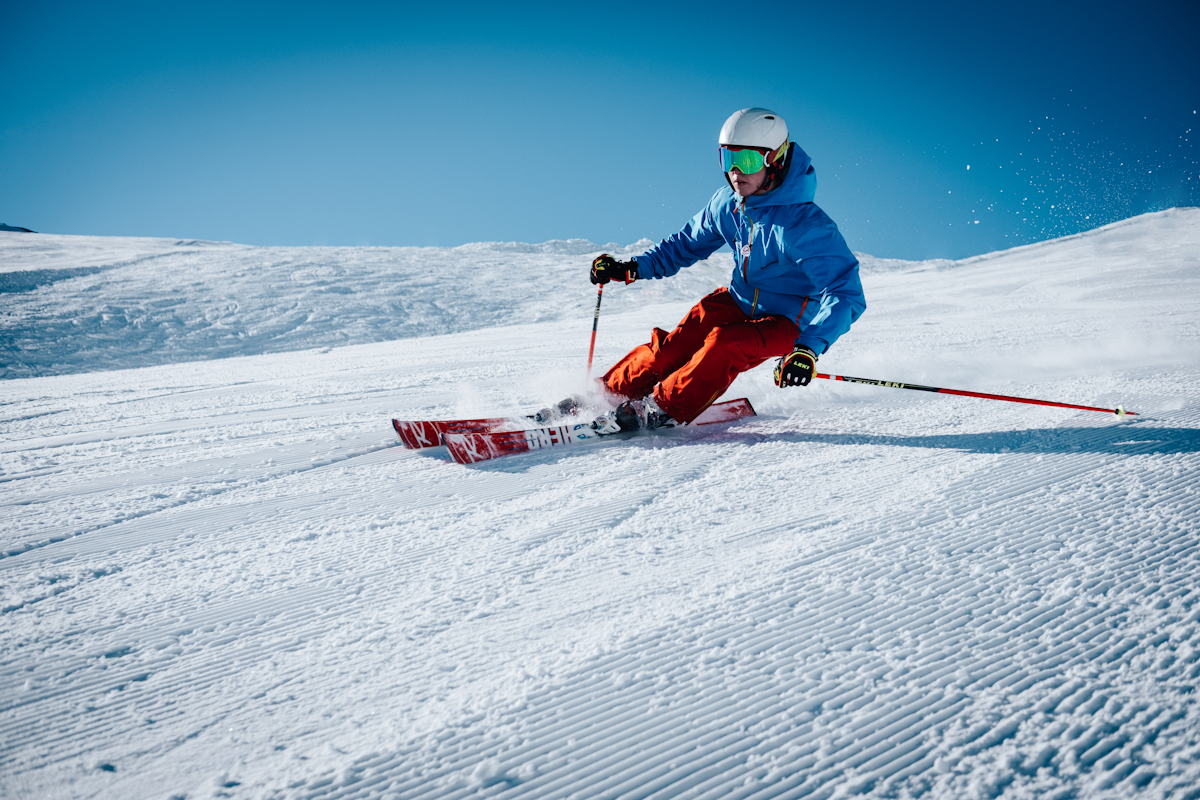
Skiing or Snowboarding — Which Should You Choose?
This is the first question every new rider faces. There’s no wrong answer, but each has a different learning curve:
Skiing
- Learning curve: Easier to stand up and make basic turns on day one. Walking and getting off lifts is more intuitive.
- Progression: You’ll be cruising green runs faster, but mastering parallel turns and carving at speed takes practice.
- Equipment: Two skis, poles, boots, bindings. More pieces to carry, but easier to balance while stationary.
- Best for: Anyone who wants to pick it up quickly and enjoys speed, groomed runs, and versatility across terrain.
Snowboarding
- Learning curve: Harder first two days — expect to fall a lot while learning edge control. But once it clicks, progression is fast.
- Progression: After the initial hump, linking turns and venturing off-piste feels smoother and more fluid than skiing.
- Equipment: One board, one pair of bindings, one boot. Simpler to carry, more comfortable for long walk-ups.
- Best for: Riders who love a challenge, want a more “surfy” feel, and enjoy powder and freestyle riding.
Our take: If you can, try both with rental gear before committing. Many resorts offer “first-timer” packages that let you switch mid-day.
Essential Gear for Your First Time
You don’t need to buy everything upfront. Rent your first few times, then invest when you know you’re hooked. Here’s what you’ll need:
Rentable (don’t buy yet)
- Skis / Snowboard + Bindings
- Boots
- Helmet (absolutely mandatory)
- Poles (skiing only)
Buy these yourself
- Base layer (merino wool or synthetic — never cotton)
- Mid layer (fleece or light puffy jacket)
- Waterproof jacket & pants
- Snow gloves / mittens
- Snow goggles
- Thick wool socks
Pro tip: Layering is everything. You’ll warm up fast once you start moving, so dress in layers you can easily remove during breaks.
Your First Day on the Mountain — What to Expect
Here’s a realistic timeline for a first-timer’s day:
- Arrive early (8:00 AM): Get rental gear fitted, buy lift ticket, find your lesson meeting point. Give yourself 45 minutes for rentals alone.
- Lesson time (9:00–10:30 AM): A certified instructor will teach you stance, basic balance, gliding, and stopping. Take the lesson — it’s the fastest way to skip the frustration.
- Practice (10:30 AM–12:00 PM): Work on what you learned on the easiest (green) run. Falling is part of the process — learn to get up safely.
- Lunch break (12:00–1:00 PM): Rest your legs, hydrate, eat a proper meal. Your muscles will thank you.
- Afternoon session (1:00–3:00 PM): Apply morning lessons. Try a slightly longer green run. Focus on one skill at a time.
- Cool down (3:00–4:00 PM): One or two final runs, then return rentals. Don’t push for “one more run” when you’re tired — that’s when injuries happen.
5 Tips for Faster Progress
- Take a lesson every trip for your first 3–5 days. Bad habits form fast and are hard to unlearn. A good instructor corrects them before they stick.
- Strengthen your legs and core off-season. Squats, lunges, and balance exercises translate directly to better control on snow.
- Look where you want to go, not at your feet. Your body follows your eyes — stare at the snow below you and that’s exactly where you’ll end up.
- Learn to fall safely. If you’re about to lose control, sit down and lean uphill. Don’t try to catch yourself with outstretched arms (wrist fractures are the #1 beginner injury).
- Stay within your ability level. Green → Blue → Black progression exists for a reason. Respect it and you’ll enjoy the mountain for decades.
Which Resorts Are Best for Beginners?
When choosing your first resort, look for:
- High percentage of green runs (30%+ beginner terrain)
- Free or discounted beginner lifts (many resorts have separate learning areas with cheap tickets)
- On-site rental + ski school (all-in-one convenience)
- Mellow groomed runs — not too steep, not too narrow
Some of the best beginner-friendly resorts in North America include: Buttermilk (Aspen), Keystone (Colorado), Bretton Woods (New Hampshire), and Mt. Hood Meadows (Oregon). In Europe, try Courchevel 1650 (France) or Söll (Austria) for wide, forgiving slopes with excellent ski schools.
Final Thoughts: It’s About the Journey
Every expert rider started exactly where you are — slipping on the flats, hugging the edge of the run, wondering if they’ll ever get it. You will. The first time you link a clean turn or float through your first patch of powder, you’ll understand why people dedicate entire winters to this sport.
Take it slow, be patient with yourself, and most importantly — have fun. The mountain will always be there.
Discover more from ASPECT Snowboards
Subscribe to get the latest posts sent to your email.